Outdoor Playgrounds for Housing Developers: What Buyers Should Compare
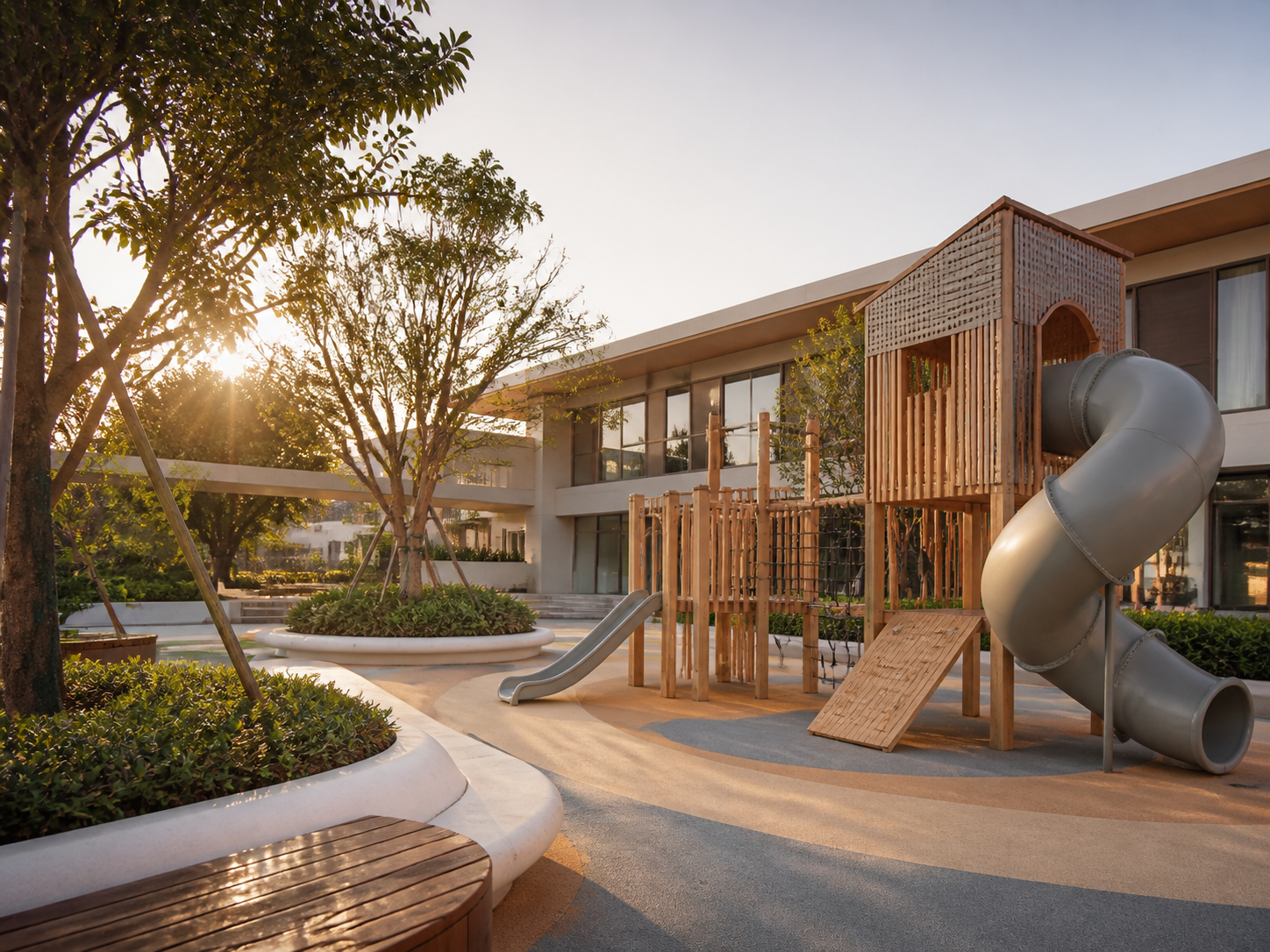
Housing developers often compare outdoor playgrounds as part of a broader residential-value strategy. The decision is not only about installing a play area for children. It is about improving family appeal, supporting placemaking, strengthening community identity, and making the development feel more livable and commercially attractive.
That is why a useful comparison should focus on the role of the playground inside the housing project, not only on the number of play features.
Why housing developers compare outdoor playgrounds differently
Residential and housing projects often need a play area that supports:
- family-friendly positioning
- community value
- better outdoor amenity quality
- stronger appeal for residents and future buyers
- long-term maintenance practicality
This means the best outdoor-playground comparison is usually tied to the overall development strategy.
What housing developers usually compare first
### 1. Public vs semi-private use
One of the first questions is whether the play area is meant for:
- open community use
- resident-only use
- a mixed access model
This affects layout, visibility, maintenance planning, and design logic.
### 2. Family positioning
Developers often compare whether the play area is intended to:
- help market the project to families
- improve the lifestyle appeal of the development
- strengthen outdoor community space
- support mixed-use or shared amenity value
### 3. Maintenance and lifecycle fit
Housing projects usually need practical long-term maintenance. Buyers compare:
- material durability
- outdoor wear
- replacement-part logic
- whether the design is realistic for the eventual operator or property-management team
### 4. Placemaking value
The right outdoor playground can support:
- stronger common-space identity
- better resident experience
- more inviting outdoor public realm
- a clearer family-living story for the development
### 5. Installation and phasing
Developers also compare:
- when the playground should be installed relative to the wider project
- site-access constraints
- whether the supplier can support early coordination
Questions to ask before shortlisting a supplier
- What role should the outdoor playground serve in this housing project?
- Is the area best designed for resident-only use or shared community use?
- Which systems are most durable for the expected traffic level?
- What maintenance burden will exist long term?
- Can the supplier help shape the concept before final procurement?
FAQ
### Why are outdoor playgrounds valuable for housing developers?
They can strengthen family appeal, improve amenity quality, support placemaking, and make the project more attractive for residents and buyers.
### Should housing developers compare playgrounds only on design style?
No. A stronger comparison usually includes maintenance, public vs private use, lifecycle practicality, and how the playground supports the broader residential strategy.
CTA
If your housing project is comparing outdoor playground options, start with the role the space should play in the development before comparing layouts or price.
Related pages
- Playground Equipment for Real Estate Developers
- Playground Equipment for Mixed-Use Developments
- Play Structure Manufacturer for Schools and Public Parks
- Contact Us
Best next pages for housing and residential play planning: