
Trampoline Park Design Checklist for Mall Operators: What Buyers Should Compare
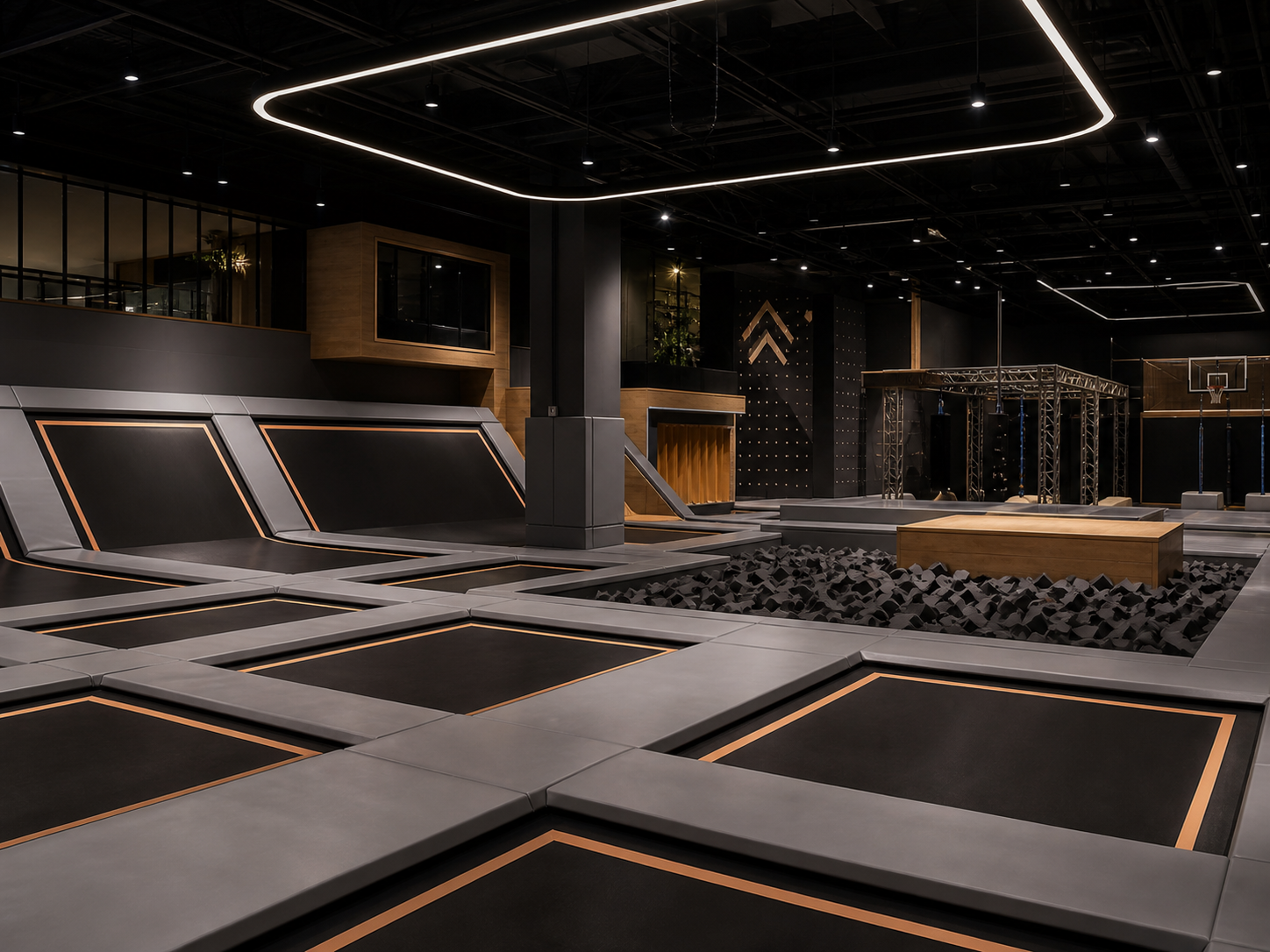
Mall operators who evaluate a trampoline concept usually need more than a product proposal. They need to know whether the design fits retail circulation, family traffic, supervision visibility, and the wider commercial role of the family zone.
That is why a useful trampoline park design checklist should connect attraction planning with mall operations, not only equipment selection.
What mall operators usually compare first
Mall buyers often review:
- open attraction vs ticketed venue model
- visibility from surrounding commercial areas
- supervision requirements
- attraction size and circulation fit
- maintenance burden
- installation timing
- whether the concept supports dwell time and repeat visits
A practical design checklist
Before final design approval, buyers usually check:
- whether the layout fits the available footprint
- how clearly staff can supervise active zones
- whether noise and traffic flow fit the surrounding retail environment
- how the concept affects nearby tenants
- whether the attraction works better as a compact family offer or a dedicated trampoline venue
Why design matters more in malls
A trampoline project inside a mall has to support:
- commercial visibility
- family destination value
- operational control
- a realistic maintenance and staffing model
That means the best supplier comparison usually includes both equipment and layout logic.