School Playground Procurement Checklist: What Buyers Should Compare Before Approval
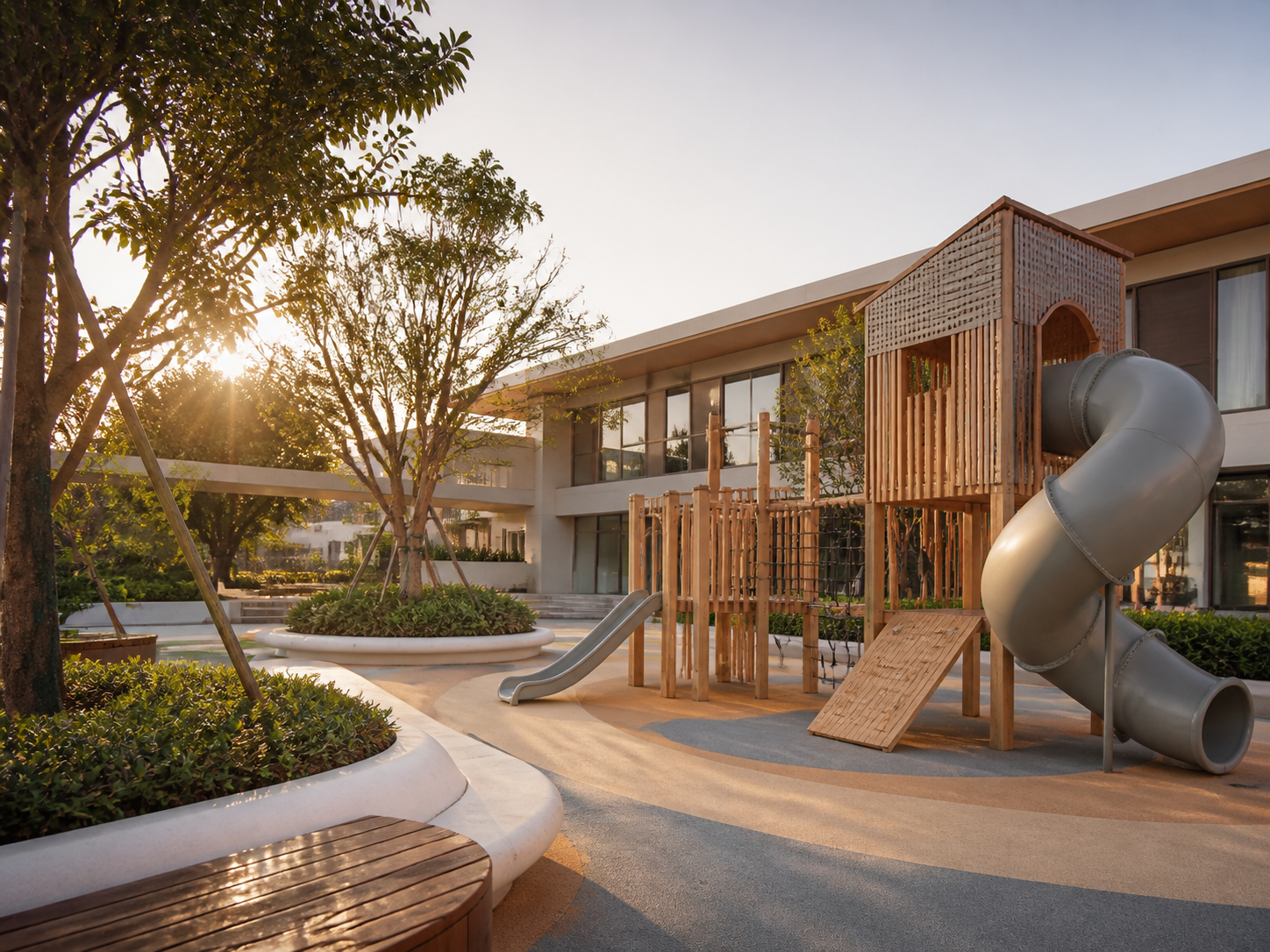
School playground procurement is usually less about finding the most visually impressive equipment and more about making a clear, defensible decision that fits age range, supervision needs, durability expectations, maintenance capacity, and budget approval.
That is why a school procurement checklist should focus on practical comparison criteria. Buyers often need to explain not just what they want to buy, but why the selected system is the most suitable for daily school use.
Why school procurement needs a structured checklist
Schools often make playground decisions inside a framework that includes:
- administrator approval
- teacher or supervisor input
- maintenance considerations
- budget review
- installation timing
- long-term usability
A structured checklist makes it easier to compare suppliers without reducing the decision to aesthetics or incomplete catalog reviews.
What school buyers usually compare first
Most school teams compare these areas early.
### 1. Age-group fit
The right solution for kindergarten users may not be the right one for older students. Buyers often need to separate:
- early-years play needs
- primary-school use
- mixed-age school environments
Suppliers should be able to explain why specific systems fit particular age ranges.
### 2. Supervision clarity
School staff often need clear sight lines and manageable supervision rather than highly complex layouts. Procurement teams usually compare:
- visibility across the play area
- circulation flow
- whether the design creates hidden corners
- how easily staff can monitor daily use
### 3. Durability and maintenance
Schools often compare equipment based on:
- material system
- wear resistance
- cleaning practicality
- maintenance burden
- expected replacement needs
This is especially important for high-frequency daily use.
### 4. Installation scope
Buyers often need clarity around:
- installation timing
- school calendar fit
- access constraints
- site preparation assumptions
- what the supplier handles versus what the school must coordinate separately
### 5. Long-term support
Procurement teams often compare:
- spare-parts availability
- after-sales communication
- whether the supplier provides practical lifecycle support
- how realistic the maintenance model is for the school
A practical school playground procurement checklist
Before final approval, many schools review:
- user age range
- supervision visibility
- circulation and play flow
- material durability
- cleaning and maintenance expectations
- installation timing
- replacement-part support
- whether the supplier can answer procurement-stage questions clearly
Questions to ask before final quotation
- Which system best fits our age range and daily supervision needs?
- What maintenance burden should we expect each month and year?
- Which features are most durable for our use level?
- What support is included during installation and after completion?
- How should we compare one supplier against another beyond basic price?
What procurement teams often miss
A school can make a weaker decision if it focuses too heavily on:
- appearance alone
- isolated feature count
- headline price only
- copied competitor examples without matching them to local use
The better comparison usually asks which system will remain practical, durable, and easy to supervise over time.
FAQ
### Should school buyers compare playground suppliers only on cost?
No. A lower upfront cost may not be the best long-term choice if maintenance, replacement, supervision difficulty, or installation complexity become higher later.
### Is the same checklist useful for kindergartens?
The logic is similar, but kindergarten buyers usually need more emphasis on younger age fit, gentler play logic, easier supervision, and simplified daily maintenance.
### What makes a supplier easier to approve internally?
A supplier that explains age fit, maintenance, installation, and long-term practicality clearly is usually easier for school teams to compare and justify during approval.
CTA
If your school or kindergarten is preparing for a playground purchase, a better comparison brief usually produces a better supplier review and a more realistic quote.