Playground Equipment for Residential Development: What Buyers Should Compare
Residential development buyers usually compare playground equipment based on resident amenity value, family appeal, maintenance burden, supervision practicality, and how the play area supports long-term project identity.
This page is written for residential developers comparing play equipment before final budgeting or supplier review.
Housing developers comparing outdoor playgrounds usually need to evaluate family positioning, placemaking value, public versus semi-private use, durability, and long-term maintenance before choosing a supplier.
This page is designed for residential and housing-project buyers who want a clearer outdoor playground comparison.
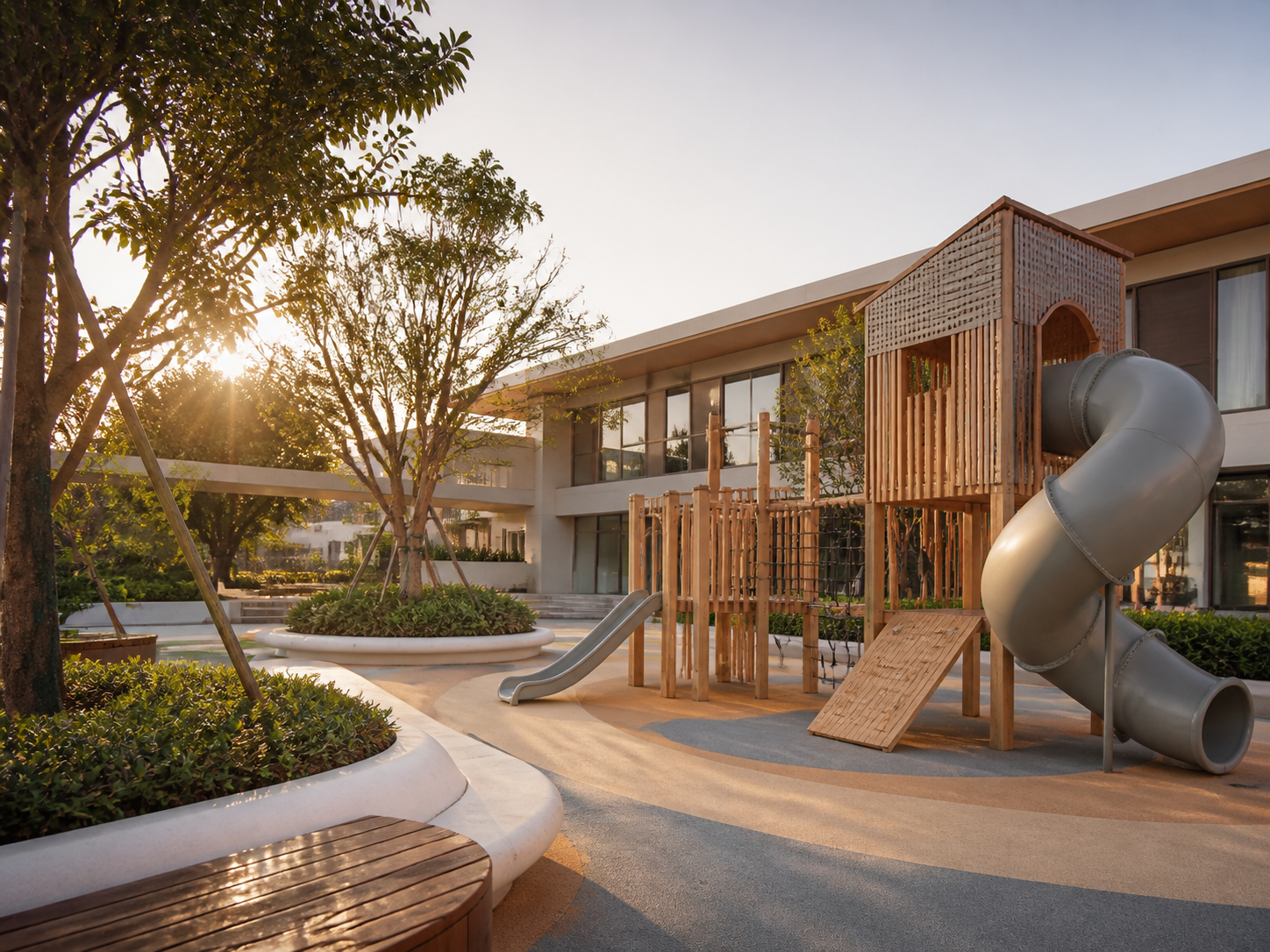
Residential development buyers often compare playground equipment as part of a wider lifestyle and amenity decision. The goal is usually not only to add play equipment, but to create a stronger family-friendly environment that supports the identity and commercial appeal of the project.
That is why the most useful comparison usually starts with how the play area will function for residents and visitors over time.
Why residential development requires a different comparison
Compared with destination entertainment or public park projects, residential developments often need:
- family-friendly amenity value
- strong maintenance practicality
- a design that supports daily use, not occasional spectacle
- a fit with the outdoor and community identity of the development
This means buyers often compare the long-term role of the space more carefully than the initial visual effect.
What residential buyers usually compare first
### 1. User profile
Developers usually need to define whether the play area is meant for:
- young children only
- family use across wider age ranges
- resident-only use
- shared community use
### 2. Equipment fit
Buyers compare:
- compact vs broader layouts
- circulation and supervision
- whether the system suits the project scale
- how much variety is actually useful for the community
### 3. Maintenance burden
A residential project usually benefits from equipment that is:
- durable
- practical to inspect
- easy to maintain
- realistic for the property manager or eventual operator
### 4. Commercial and lifestyle value
Developers often compare how the equipment supports:
- family appeal
- residential amenity quality
- community identity
- broader project positioning
Questions to ask before final supplier comparison
- What kind of resident experience should the play area support?
- What size and type of playground best fits the development?
- Which systems create the strongest amenity value without overcomplicating maintenance?
- How public or private should the play area feel?
- Can the supplier support planning before procurement is finalized?
FAQ
### Why is playground equipment valuable in residential development?
It can improve amenity quality, strengthen family appeal, support community identity, and make the project feel more complete for residents and buyers.
### Should developers compare residential playground equipment the same way they compare public park equipment?
No. Residential projects usually need more emphasis on lifestyle fit, supervision, community use, and property-management practicality.
CTA
If your residential development is comparing playground equipment, start by clarifying the resident and amenity role of the space before comparing layouts or quotation totals.