Floor plan, dimensions, ceiling height, target age group, and country context.
Traffic generation, ticketed attraction, hotel amenity, school use, or mixed-revenue family venue.
A stronger planning brief leads to a better concept and a more useful quote range.
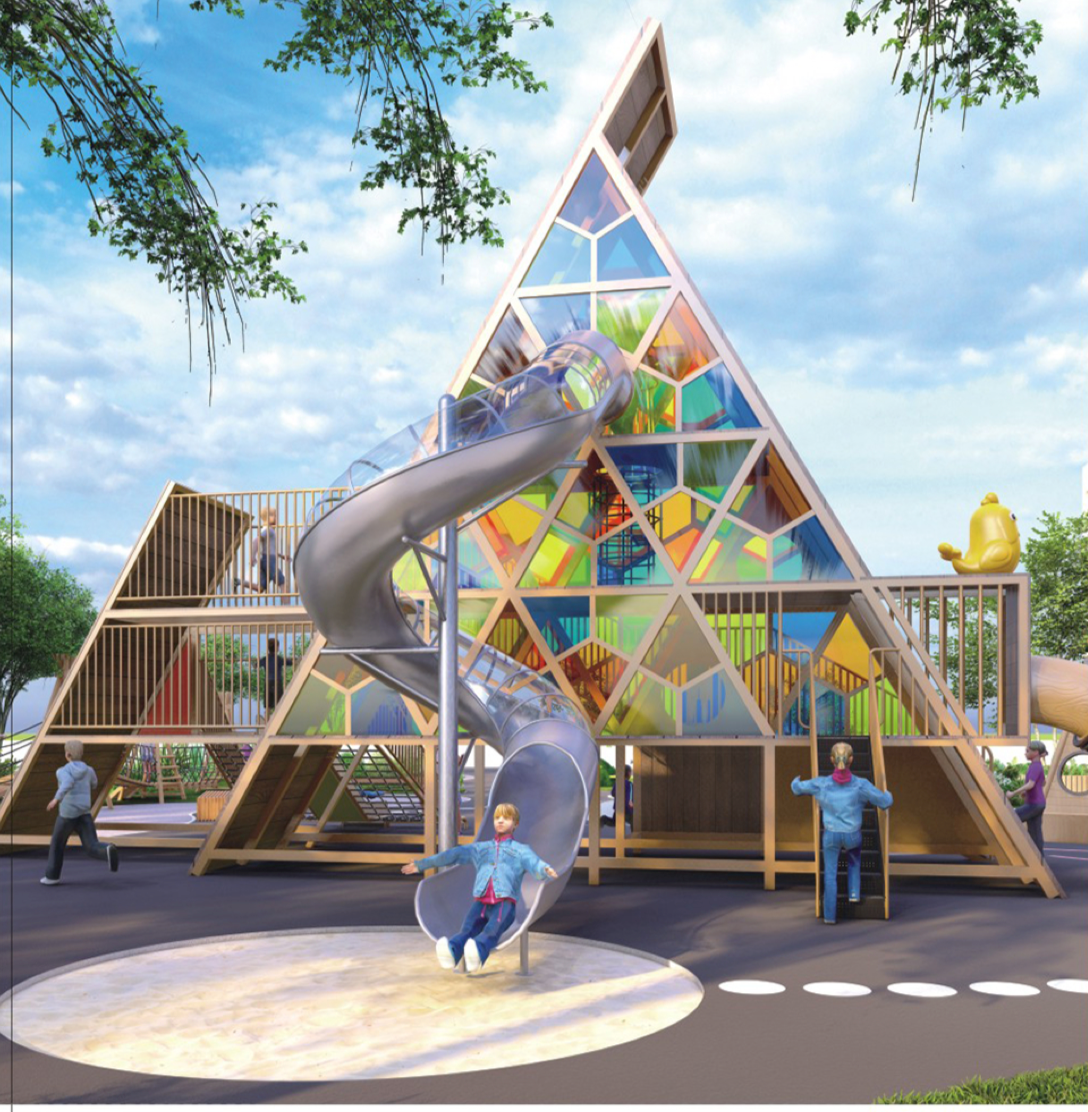
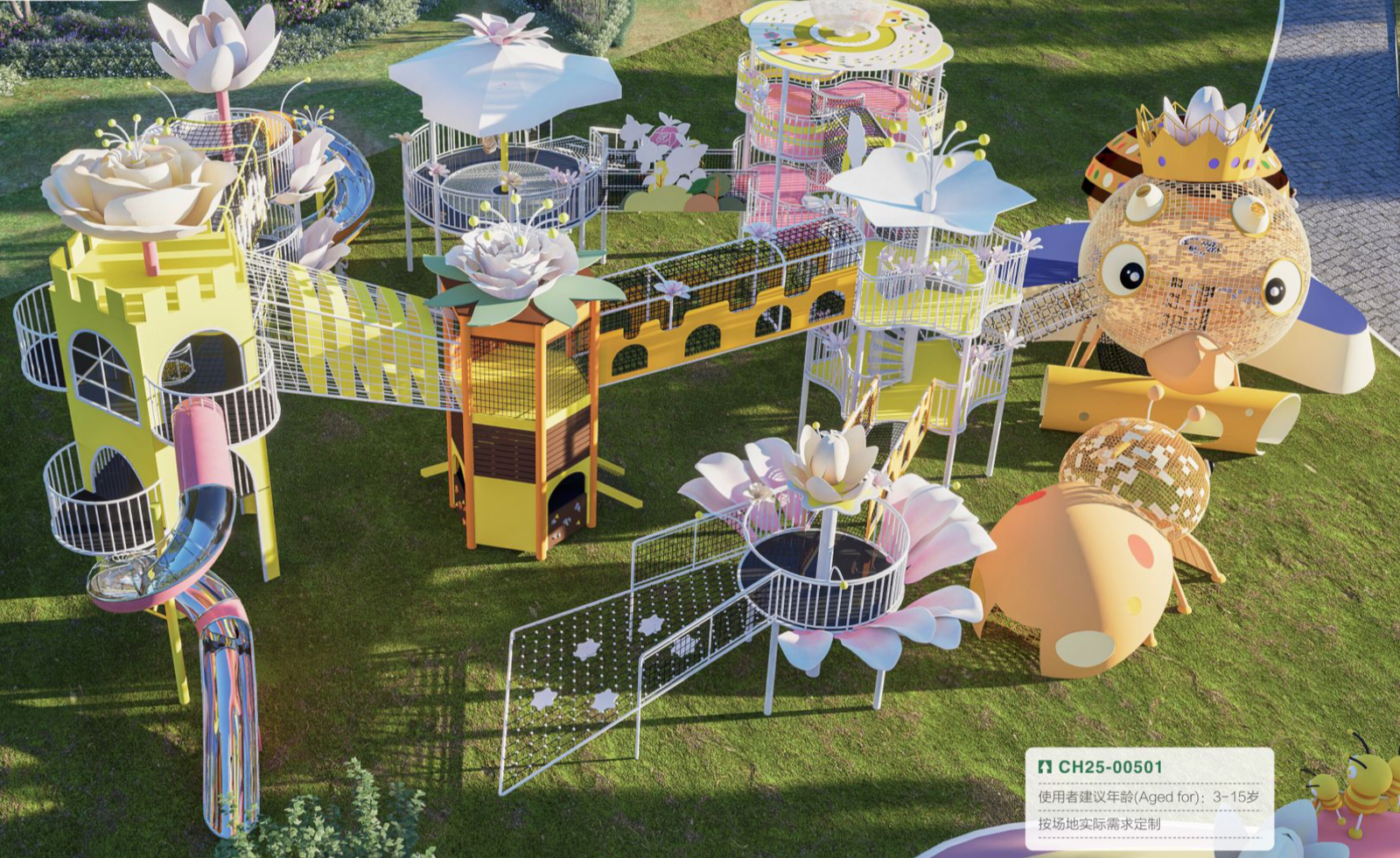
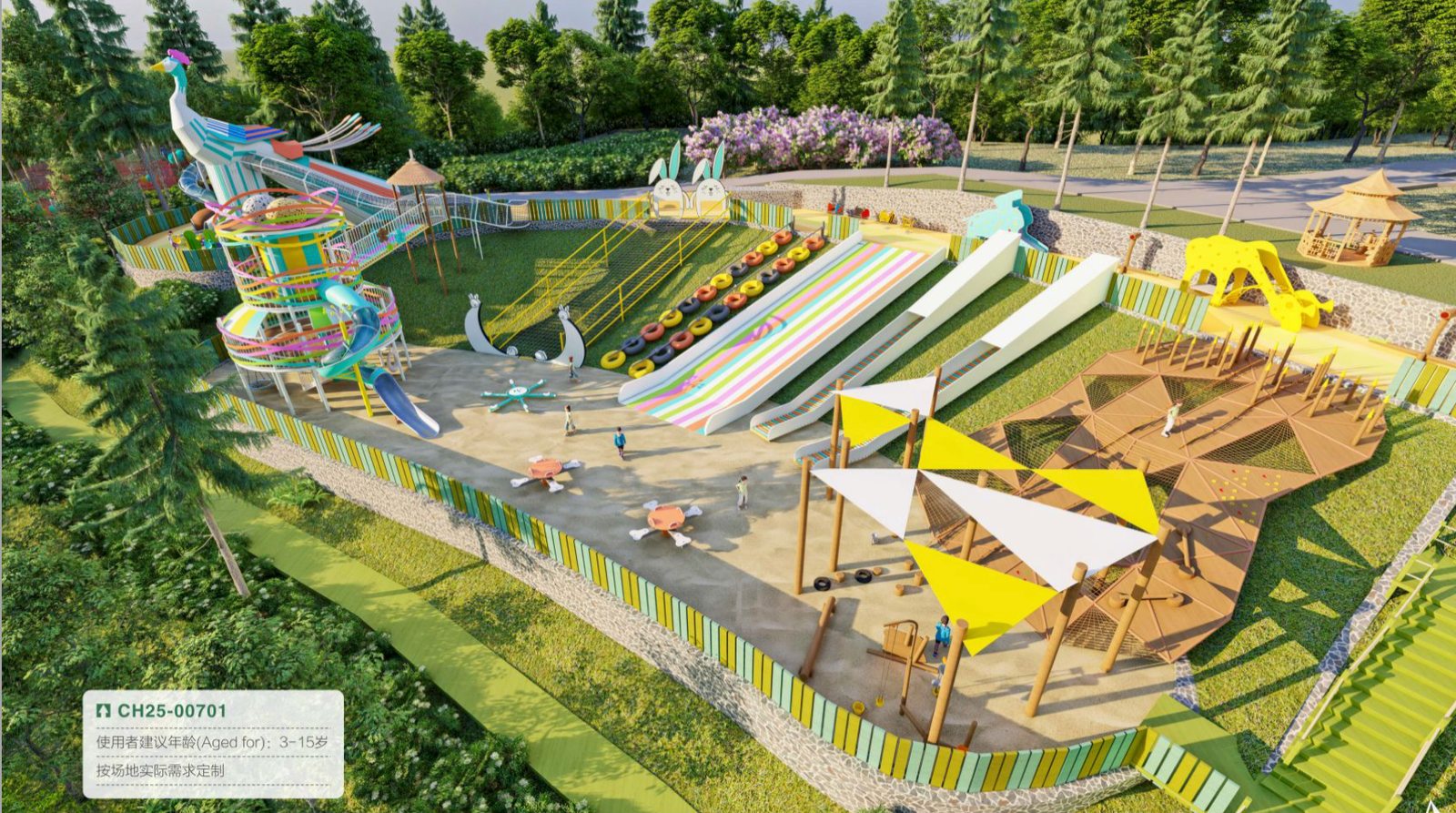
Project Gallery
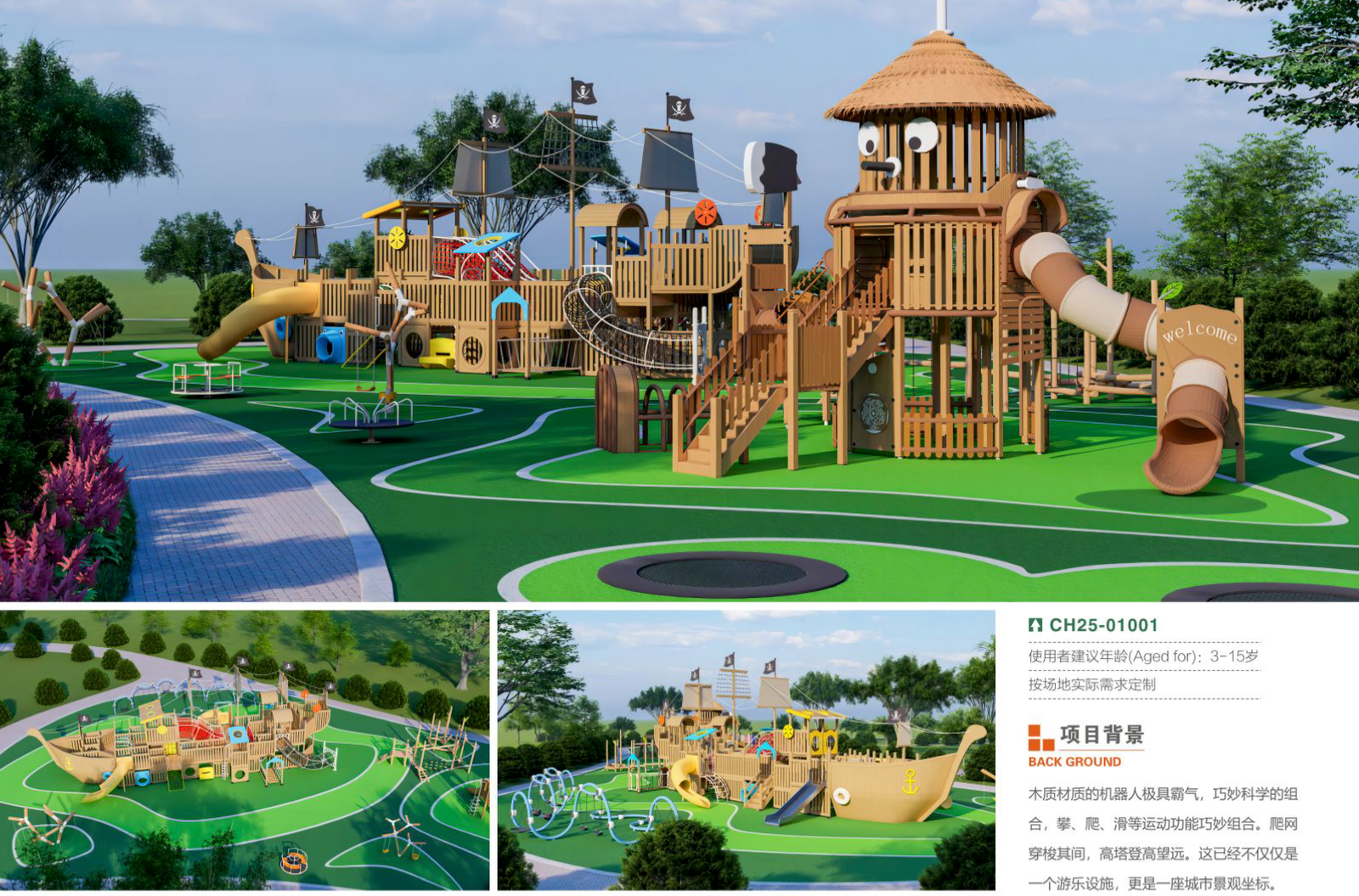
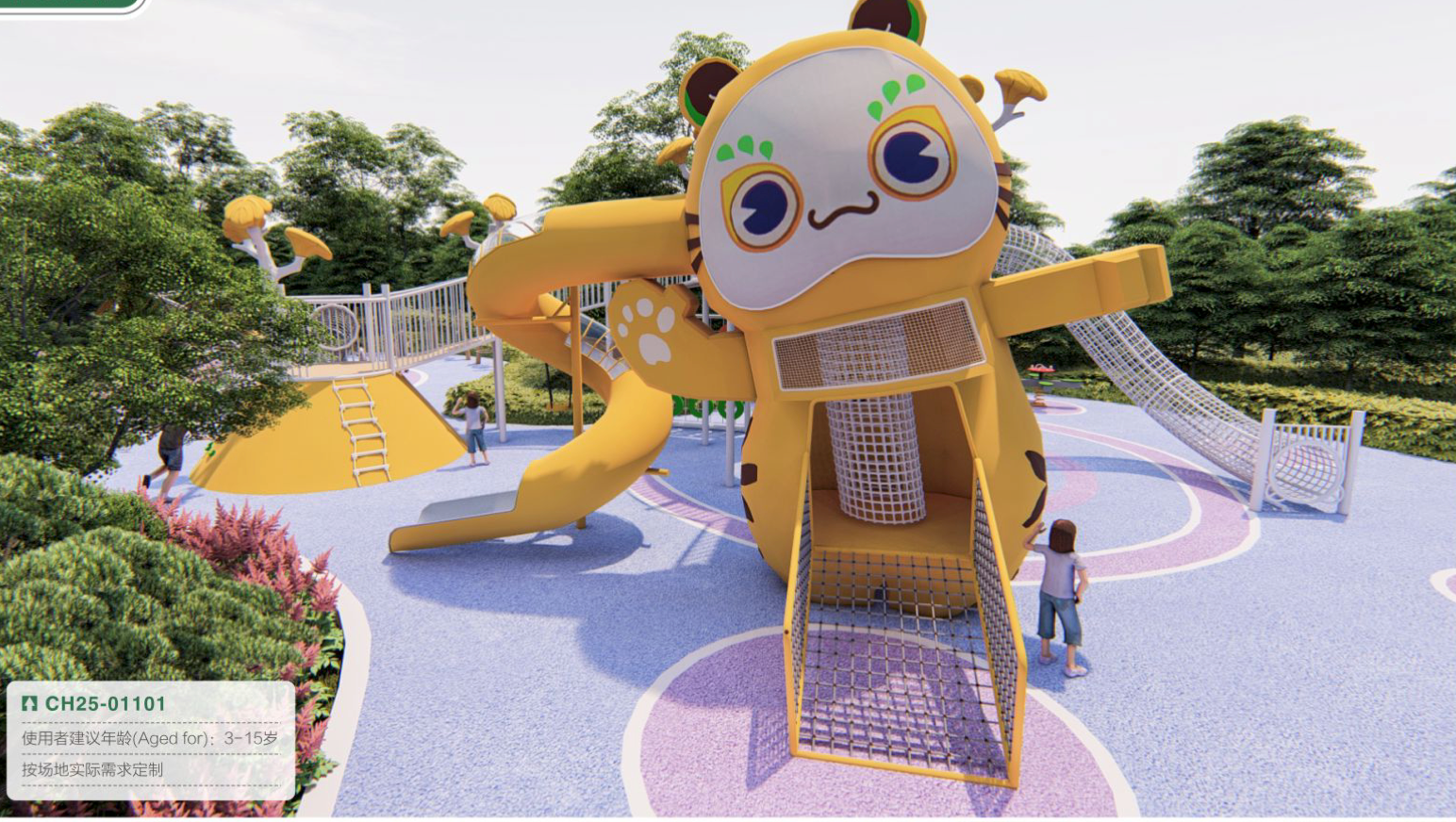
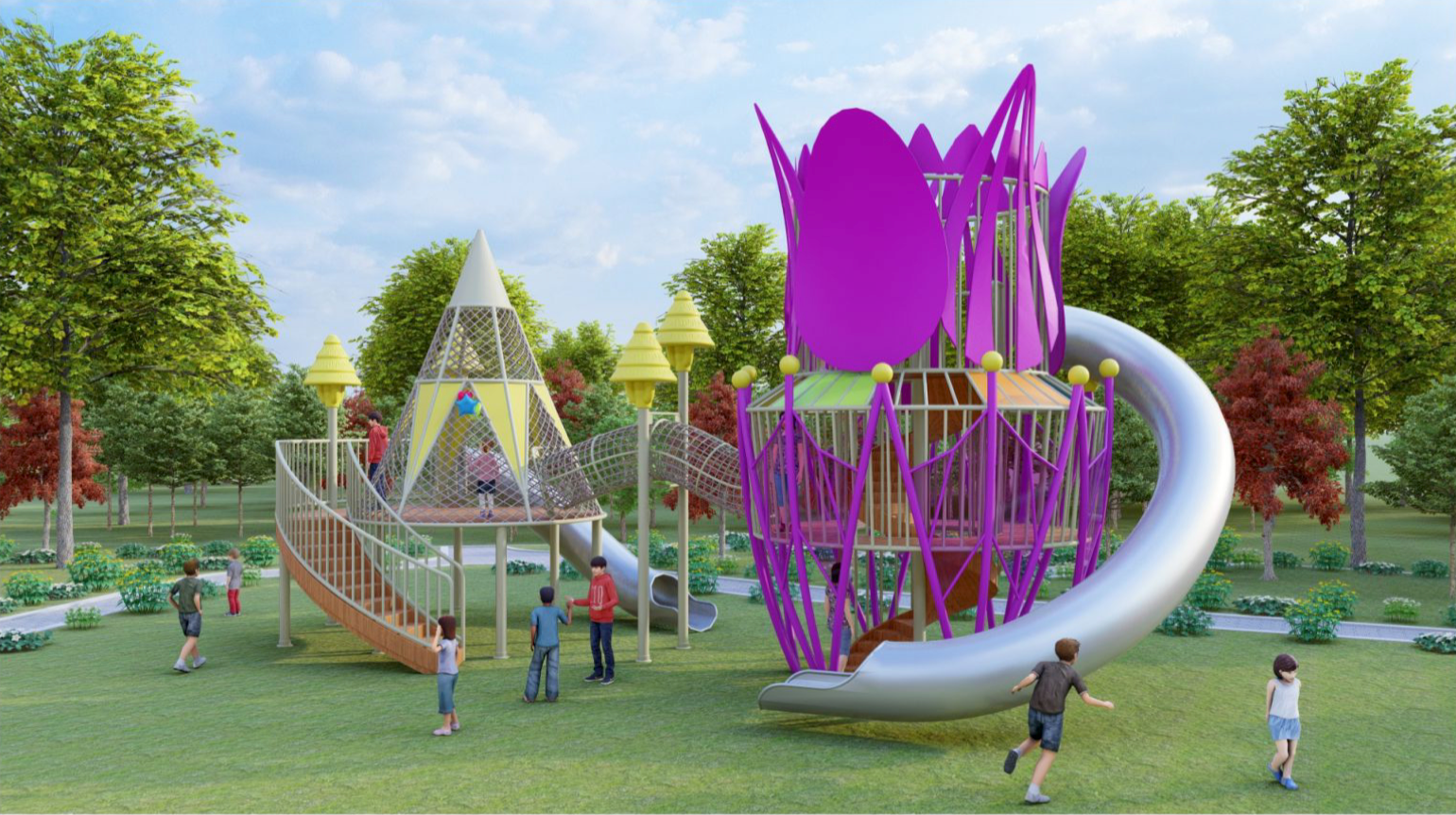
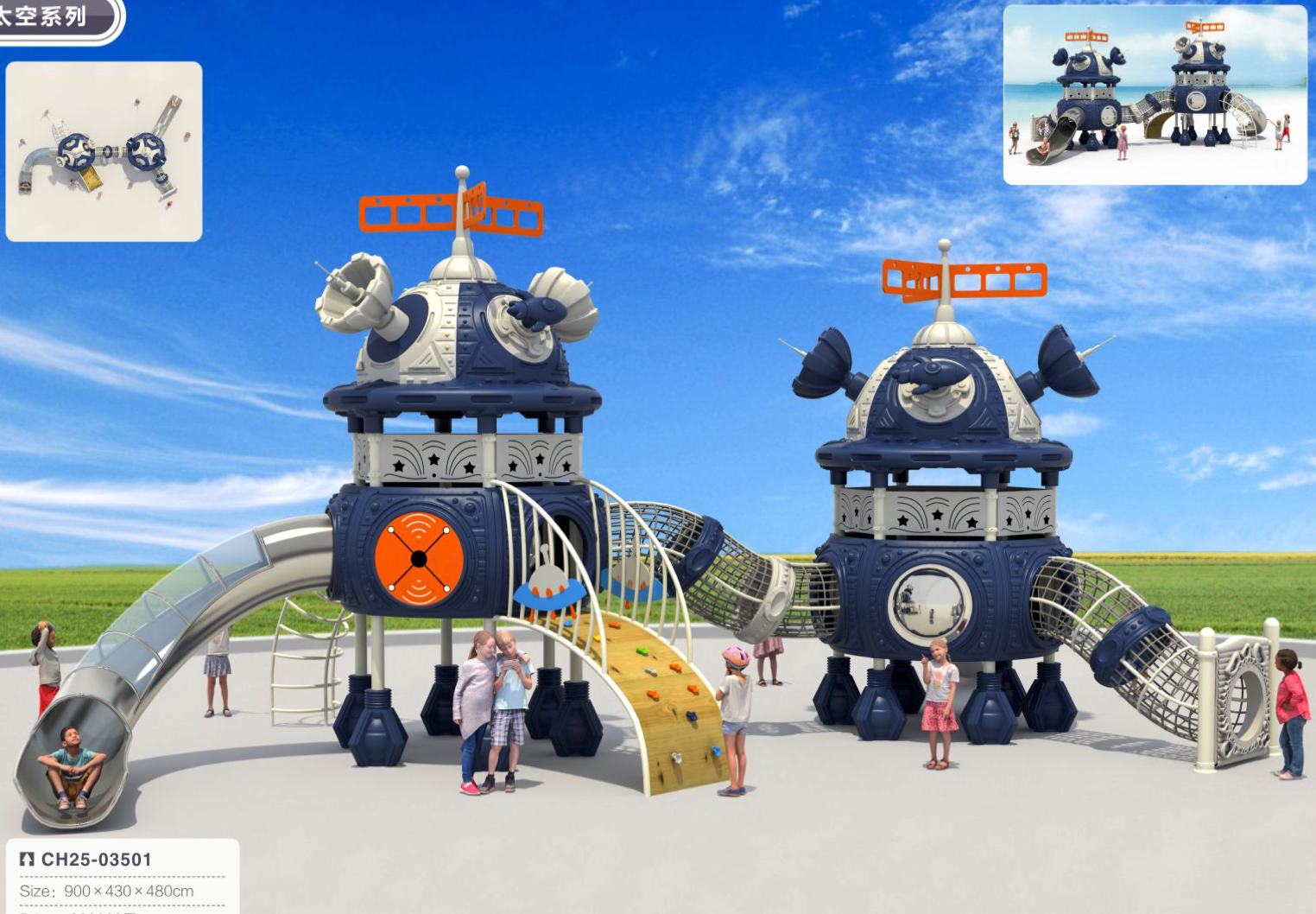
Step 1: Define the Project Type
Start by clarifying whether the project is an indoor playground, outdoor playground, trampoline park, water play zone, soft play area, or a broader family entertainment concept. This determines the design logic, budget drivers, and operational questions that follow.
Step 2: Prepare Site Information
- Floor plan or site dimensions
- Ceiling height where relevant
- Target age group and expected user volume
- Country and installation context
- Desired opening timeline
Step 3: Match Layout to Business Goals
Commercial projects should be planned around more than attraction count. Buyers need to consider circulation, visibility, age zoning, supervision, maintenance access, and how the layout supports the intended revenue or public-use goal.
Step 4: Align Budget and Scope
Before comparing quotations, buyers should decide whether the priority is a basic commercial installation, a stronger themed concept, or a phased rollout that leaves room for future expansion.
Step 5: Compare Suppliers Properly
Supplier comparison should include design capability, material approach, support for installation planning, realistic scope definition, and clarity on what is included in the quotation.
Common Planning Mistakes
- Requesting price before sharing dimensions
- Comparing product photos instead of site-fit logic
- Underestimating freight, installation, or maintenance planning
- Using thin location pages instead of one strong project guide
Planning Resources to Review Next
- Indoor Playground Cost for budget framing and scope decisions.
- Commercial Playground Procurement Checklist for RFQ structure, supplier review, and document flow.
- Commercial Playground Safety Standards for compliance and risk planning.
- Contact Us to start project coordination and quotation support.
Project Planning By Buyer Type
- Mall operator project planning
- Developer project planning
- Distributor and regional partnership planning
Plan Your Project By Buyer Role
Project planning becomes easier when the scope matches the buyer role early. These paths help organize the right questions before quotation, procurement, or concept design begins.