
Commercial Trampoline Park Equipment Manufacturer Comparison: What Buyers Should Compare
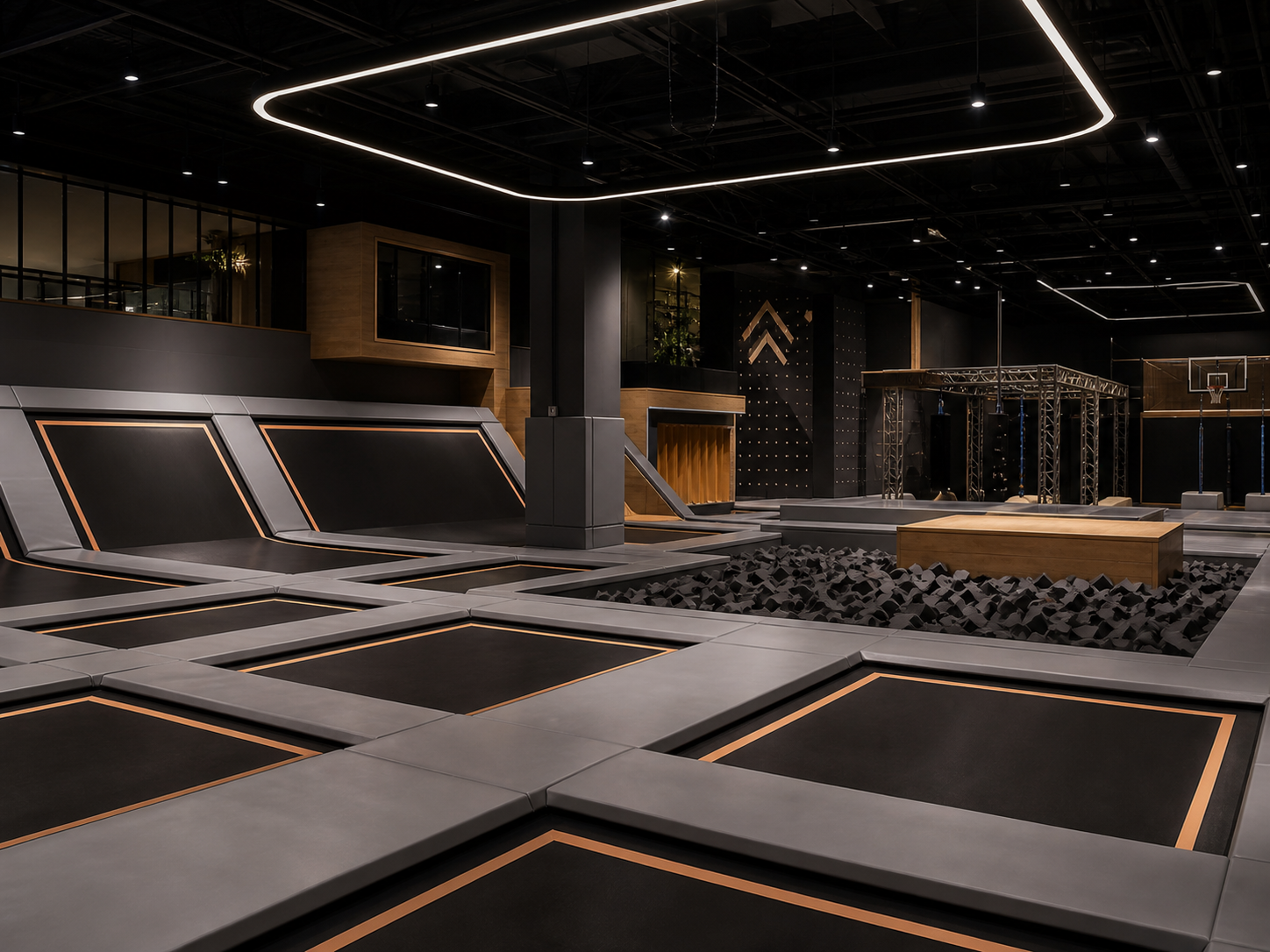
Commercial buyers often compare trampoline manufacturers too narrowly. They look at visual size, jump area, or a rough headline budget, but miss the more important questions about layout, supervision, installation support, maintenance, and whether the manufacturer can support a viable commercial concept.
That is why the best manufacturer comparison usually focuses on operational and project fit, not only equipment supply.
Why manufacturer comparison matters
A manufacturer comparison is useful because different teams may be stronger in different areas:
- compact trampoline formats
- mall-family attraction layouts
- FEC-active-play mixes
- stand-alone trampoline venues
- commercial installation and delivery support
The better choice depends on the project model.
What buyers usually compare first
### 1. Concept fit
Compare whether the manufacturer is best suited for:
- a mall-based attraction
- a family entertainment center
- a compact trampoline zone
- a larger stand-alone project
### 2. Design and supervision logic
Commercial buyers often compare:
- line of sight
- layout efficiency
- zone structure
- how the concept supports operations
### 3. Maintenance and lifecycle burden
A useful manufacturer comparison should include:
- wear expectations
- parts support
- daily inspection burden
- long-term practicality
### 4. Installation and service support
Compare:
- freight assumptions
- installation scope
- whether the manufacturer supports layout refinement
- how the project moves from concept into execution
Questions to ask before choosing a manufacturer
- Which venue model is this manufacturer strongest at?
- How does the layout affect supervision and staffing?
- What maintenance burden should we expect over time?
- What delivery and installation assumptions are included?
- Can the manufacturer support concept refinement before final pricing?
FAQ
### Is a trampoline manufacturer the same as a trampoline supplier?
Buyers often use the terms interchangeably, but the more useful comparison is whether the team can support manufacturing, concept fit, installation, and commercial operating logic together.
### What makes a manufacturer comparison more useful?
A stronger comparison usually includes venue fit, supervision, maintenance, installation scope, and whether the concept supports the intended business model.
CTA
If you are comparing commercial trampoline manufacturers, start by defining the venue model and operating logic first, then compare suppliers against that brief.