Best Indoor Trampoline Park Supplier Checklist: What Commercial Buyers Should Compare
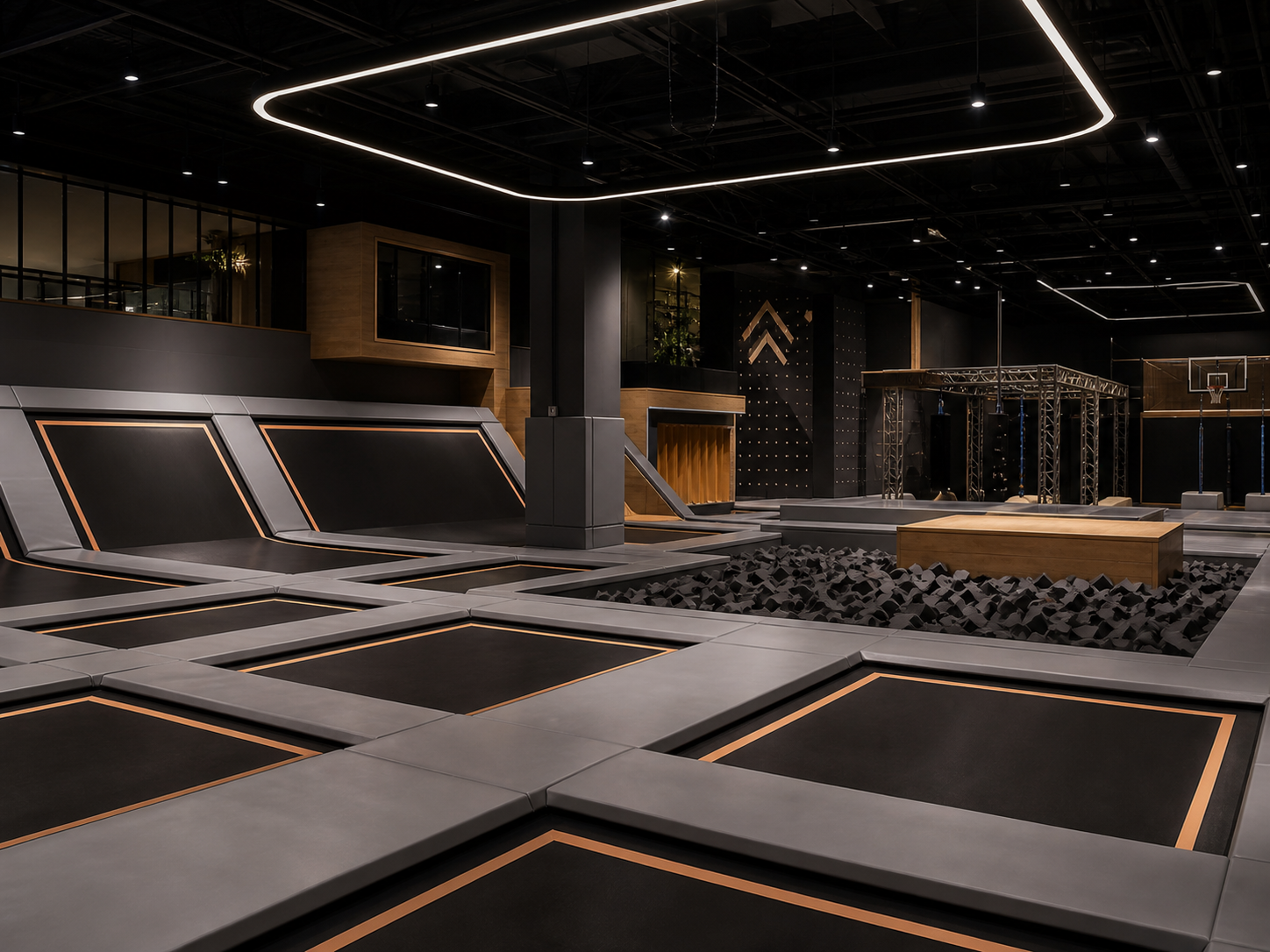
Buyers who search for the best indoor trampoline park supplier are usually not looking for a generic top-ten list. They are trying to compare which supplier is the best fit for a real commercial project.
That means the best comparison usually focuses on layout logic, supervision, maintenance burden, installation support, and whether the supplier actually understands the venue model the buyer is planning.
Why a checklist is better than a generic supplier list
The phrase `best supplier` can be misleading if buyers do not define what “best” means for their project.
For one buyer, the best supplier may be the one that supports a compact indoor mall concept. For another, it may be the one that best understands a larger FEC or stand-alone trampoline venue.
That is why a checklist is more useful than a broad ranking.
What buyers usually compare first
### 1. Venue fit
The strongest supplier comparison begins with the type of venue:
- indoor trampoline park
- family entertainment center
- mall-based active-play venue
- hybrid trampoline and indoor playground format
### 2. Layout logic
Commercial buyers often compare:
- zone flow
- visibility and supervision
- how compact or large the layout should be
- whether the concept fits the available footprint
### 3. Maintenance and lifecycle practicality
The best indoor supplier is usually not just the one with the biggest concept, but the one whose system is realistic to operate. Compare:
- daily inspection needs
- maintenance burden
- parts support
- wear expectations
### 4. Installation and delivery support
Buyers should clarify:
- whether installation is included
- what freight assumptions are built into the quotation
- whether the supplier supports concept refinement before final pricing
### 5. Business-model fit
A strong supplier should be able to explain whether the concept works for:
- ticketed indoor operation
- family destination traffic
- mall-family zones
- compact active-play formats
A practical supplier checklist
Before shortlisting, buyers usually compare:
- venue type fit
- layout and supervision logic
- maintenance and lifecycle burden
- installation scope
- freight assumptions
- after-sales and support quality
- whether the supplier understands the commercial use case
Questions to ask before choosing a supplier
- Is this supplier the best fit for our venue type?
- Which layout assumptions affect price and operations most?
- What level of staffing and supervision will the concept require?
- How realistic is the maintenance model for our team?
- Can the supplier help refine the concept before final quotation?
FAQ
### What makes an indoor trampoline supplier “best” for a project?
The best supplier is usually the one whose concept, supervision logic, maintenance model, and installation support fit the actual venue and business model.
### Should buyers compare trampoline suppliers only on price?
No. The more useful comparison usually includes operational fit, layout quality, maintenance burden, and after-sales support.
CTA
If you are comparing indoor trampoline suppliers, define the commercial role of the venue first, then use that to compare suppliers more realistically.