
Playground Equipment for Shopping Center Developers: What Buyers Should Compare
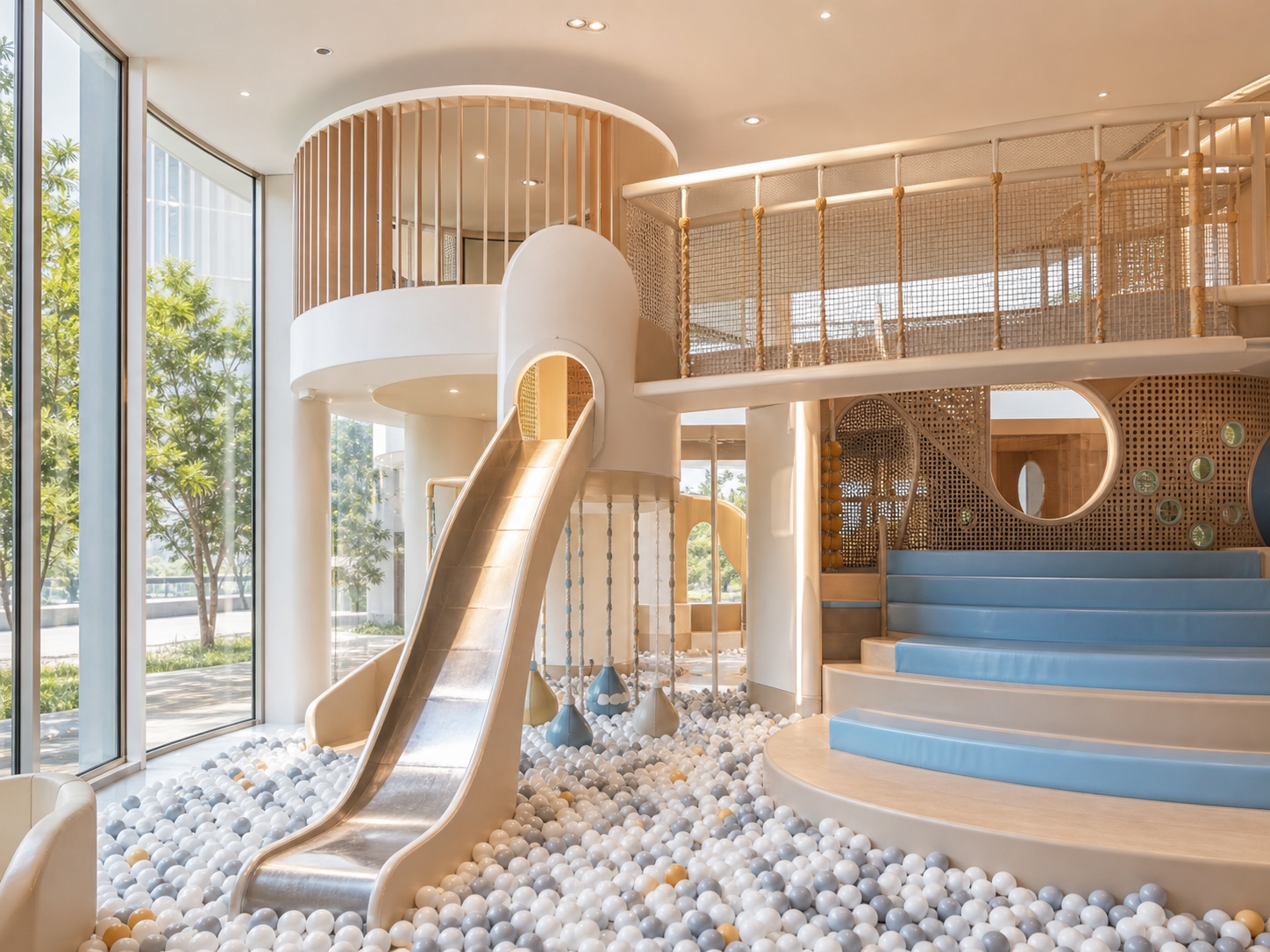
Shopping center developers usually compare playground equipment as part of a wider commercial positioning decision. The question is not only what children will enjoy, but how the play area supports family traffic, dwell time, placemaking, and tenant value.
That means developer comparison is usually stronger when it focuses on business role as much as product type.
What shopping center developers usually compare first
Developers often review:
- family traffic goals
- indoor vs outdoor fit
- circulation and visibility
- whether the zone is open-play, ticketed, or hybrid
- installation timing
- maintenance and operating implications
- whether the supplier understands commercial retail environments
Why shopping center projects need a stronger commercial lens
For shopping center developers, a play area may support:
- longer family visits
- better family-zone identity
- stronger tenant ecosystem value
- more destination appeal
That is why buyers often compare suppliers based on how well they understand commercial family behavior, not only equipment categories.
Questions to ask before concept budgeting
- Should the project be a family zone, feature attraction, or dedicated venue?
- What format best supports dwell time without creating too much operational friction?
- How should the project differ for mixed-use shopping destinations?
- Which design choices strengthen family traffic most clearly?
- Can the supplier help shape the concept before final procurement?